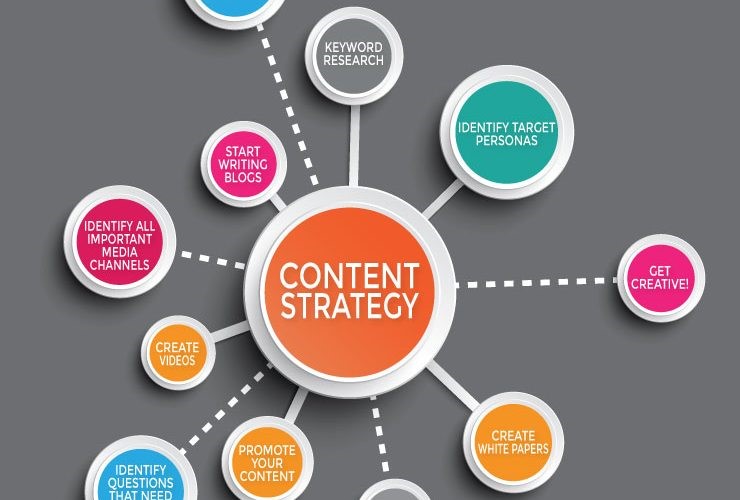
Most eCommerce store blogs are filled with generic placeholder articles that get zero traffic and convert zero sales. Writing articles for the sake of posting does not grow your brand.
A high-converting eCommerce content strategy maps topics to the buyer journey. Every article should resolve customer problems, build brand authority, and logically guide the reader toward a specific product purchase.
Here is how you can build an inbound content funnel that turns blog readers into buyers.
1. Map Content to the Buyer Funnel
Structure content for all stages of awareness:
- TOFU (Top of Funnel): Educational articles resolving broad pain points (e.g., "Why is my skin dry in winter?").
- MOFU (Middle of Funnel): Solutions comparisons and buying guides (e.g., "7 skin-care routines compared").
- BOFU (Bottom of Funnel): High-intent review and case study content (e.g., "Why Storify Skin-Care Serum converts skin texture").
2. Integrate Contextual Call-to-Actions
Avoid annoying, generic popups or sidebar banners. Instead, embed rich product cards, discount codes, or quick-buy buttons directly within the text of the article where it is contextually relevant.
"Contextual CTAs embedded directly in the narrative of a blog post convert up to 3x better than generic sidebar advertisements."
3. Resolve Customer Problems First
Provide genuine value before introducing your product. If your article focuses on how to resolve a problem, explain the process step-by-step first, then present your product as the most convenient, premium way to execute that solution.
4. Retarget Blog Visitors
Not every reader will buy on their first visit. Set up pixel tracking to retarget users who visited specific blog pages with social proof and conversion ads featuring the exact products mentioned.
At Storify, we help brands write high-converting copy and implement inbound content funnels. Book a call with us today to design your eCommerce content strategy.