Many eCommerce store founders make the same expensive mistake: they scale their media budget on a single network (like Meta or TikTok) without coordinating their wider ad portfolio. When budget increases, acquisition performance declines, CPMs rise, and profit margins shrink.
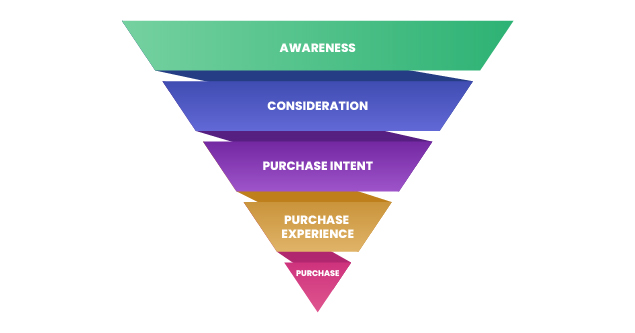
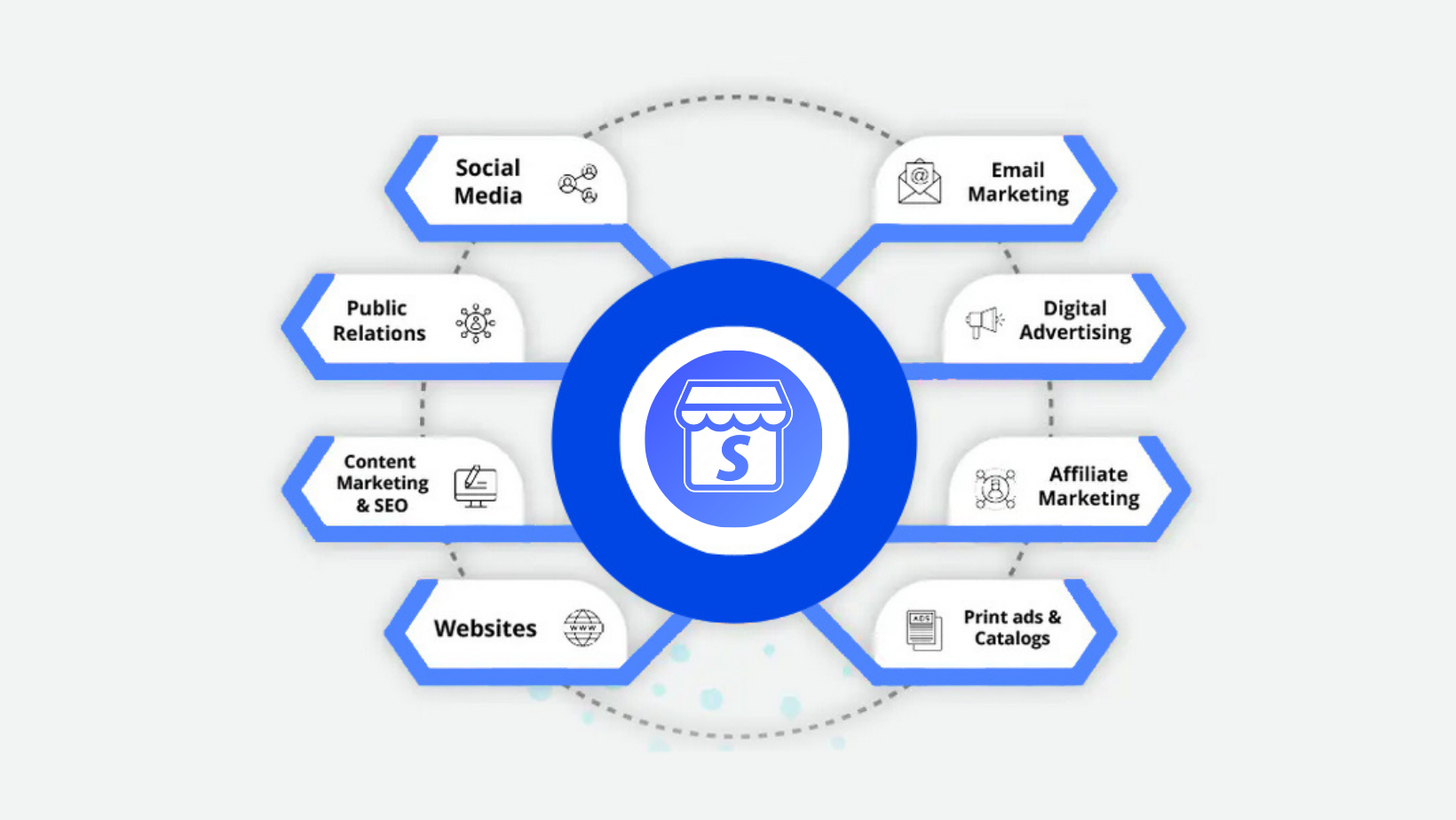
To scale successfully, brands need a structured ecommerce marketing strategy centered around a **multi-channel ad funnel**. Instead of treating Meta, Google, and TikTok as separate experiments, you must run them as a coordinated ecosystem.
Before you increase your monthly media budget, verify your setup against our **ultimate omnichannel ad funnel checklist**.
Why Managing an Ad Portfolio Overwhelms Founders
As a business owner, you are responsible for product sourcing, logistics, customer service, and daily operations. Expecting yourself to master the technical nuances of multiple paid traffic networks is a recipe for burn-out:
- Meta (Facebook & Instagram): Requires deep creative testing pipelines, broad targeting configuration, and retargeting hooks.
- TikTok Ads: Demands fast-paced vertical video editing, trending visual formats, and constant creative rotation to avoid ad fatigue.
- Google Search & Shopping: Demands high-intent keyword alignment, product feed optimizations, and budget management.
When these platforms run without coordination, your customer acquisition cost rises. A multi-channel strategy ensures that traffic generated by TikTok creatives is successfully retargeted on Meta and captured by high-intent Google Search campaigns.
"An omnichannel funnel ensures that no click goes to waste. A user who discovers your product through a TikTok ad should find your Google Search ad at the top of the search page when they go to buy."
The Pre-Scale Checklist
Before you increase your ad spend by even 10%, verify that these critical components are set up correctly:
1. Creative Hook Variations
Verify that your video and graphic creatives align with the platform they run on. Do not run horizontal YouTube videos on TikTok. You need:
- At least 3 distinct hook variations (first 3 seconds) for every main ad angle.
- TikTok ads that look like native user-generated content (UGC), focusing on entertainment.
- Meta ads that emphasize social proof, lifestyle benefits, and clear calls to action.
2. Pixels & Conversion API Alignment
Make sure your tracking data is accurate. Without clean conversion reporting, ad algorithm optimizations fail.
- Ensure the Shopify Meta Pixel and TikTok Pixel are firing correctly.
- Configure the Conversions API (CAPI) to bypass browser ad-blocking limitations and capture server-side events.
- Verify custom conversion events for add-to-cart, checkout initiates, and purchases.
3. Multi-Channel Retargeting Flow
Coordinate budgets so that cold audiences are introduced to the brand on the cheapest platform, while warm prospects are closed across all networks.
- Target cold prospects on Meta/TikTok with benefits and customer pain points.
- Retarget users who visited the store but didn't buy with dynamic product ads (DPAs) and customer testimonials.
- Run brand-search campaigns on Google to protect your brand name from competitors bidding on your keywords.
Connecting Organic Social Media Management to Paid Ads
Paid marketing does not run in a vacuum. Before a cold visitor buys, they often click your Instagram icon or search your brand name on TikTok to verify your credibility.
If your organic social channels have not posted in three months, or if comments are filled with unanswered customer questions, your paid ad performance will suffer. A solid **ecommerce social media management** plan keeps your profiles active with customer reviews, product reels, and behind-the-scenes content, building trust before the ad click occurs.
Outsource the Heavy Lifting: The All-in-One Team Advantage
Building a multi-channel ad funnel requires a massive time commitment:
- Video Editors: To crop, adjust colors, and edit UGC clips for vertical ad networks.
- Copywriters: To draft high-converting ad copy and product page benefits.
- Media Buyers: To review ad account budgets, bid metrics, and performance dashboards daily.
- Web Developers: To optimize landing page load speeds for incoming mobile traffic.
Instead of hiring four different specialists, eCommerce brands scale faster by hiring a unified team like **Storify**. We manage your entire ad portfolio, aligning your creative assets, storefront design, and paid ads under a single, high-performing growth strategy.
Ready to scale your paid media spend profitably? Book a free consultation call with Storify today, and let us build an omnichannel ad funnel tailored to your Shopify store.